Brighton
Seaside and city in a single afternoon: the full British seaside tradition along the front, and dense, characterful shopping lanes a few minutes inland. An hour from London, endlessly shootable, and one of the best day trips in the country for a street photographer.
Brighton station is roughly 1 hour from London Victoria or London Bridge
Palace Pier, the beach and the promenade between the two piers
The Lanes (antique, narrow) and North Laine (shops, characters, colour)
Brighton Pride (usually August) — one of the UK's largest
Two genres, one town
Brighton's advantage is that it gives you two completely different kinds of street photography within a few minutes' walk. On the front, you have the full British seaside tradition — the Palace Pier, the deckchairs, the arcades, the day-trippers eating chips against the wind — the same subject Tony Ray-Jones and Martin Parr built careers on. A few streets inland, The Lanes and North Laine give you tight, busy, characterful streets full of independent shops, buskers and the alternative crowd the city is known for.
Few places let you shoot the open coast and dense city streets in the same session, and the contrast between the two is itself a project worth doing.
Where to actually shoot
The Palace Pier and beach are the seaside classics: the crowds, the rides, the arcades, the loaded language of British leisure. Shoot the people rather than the structure — the pier is the stage, the day-trippers are the picture.
The seafront between the two piers is where the melancholy frames are, and the burnt-out West Pier standing in the water is one of the most photographed structures on the south coast — a haunting backdrop in any light.
North Laine is the strongest inland location: narrow streets, vivid shopfronts, characters and layered scenes, busiest and best at weekends.
The Lanes, the older tangle of antique shops and twittens (Brighton's narrow alleys), are tighter and quieter, good for compressed, more graphic frames.
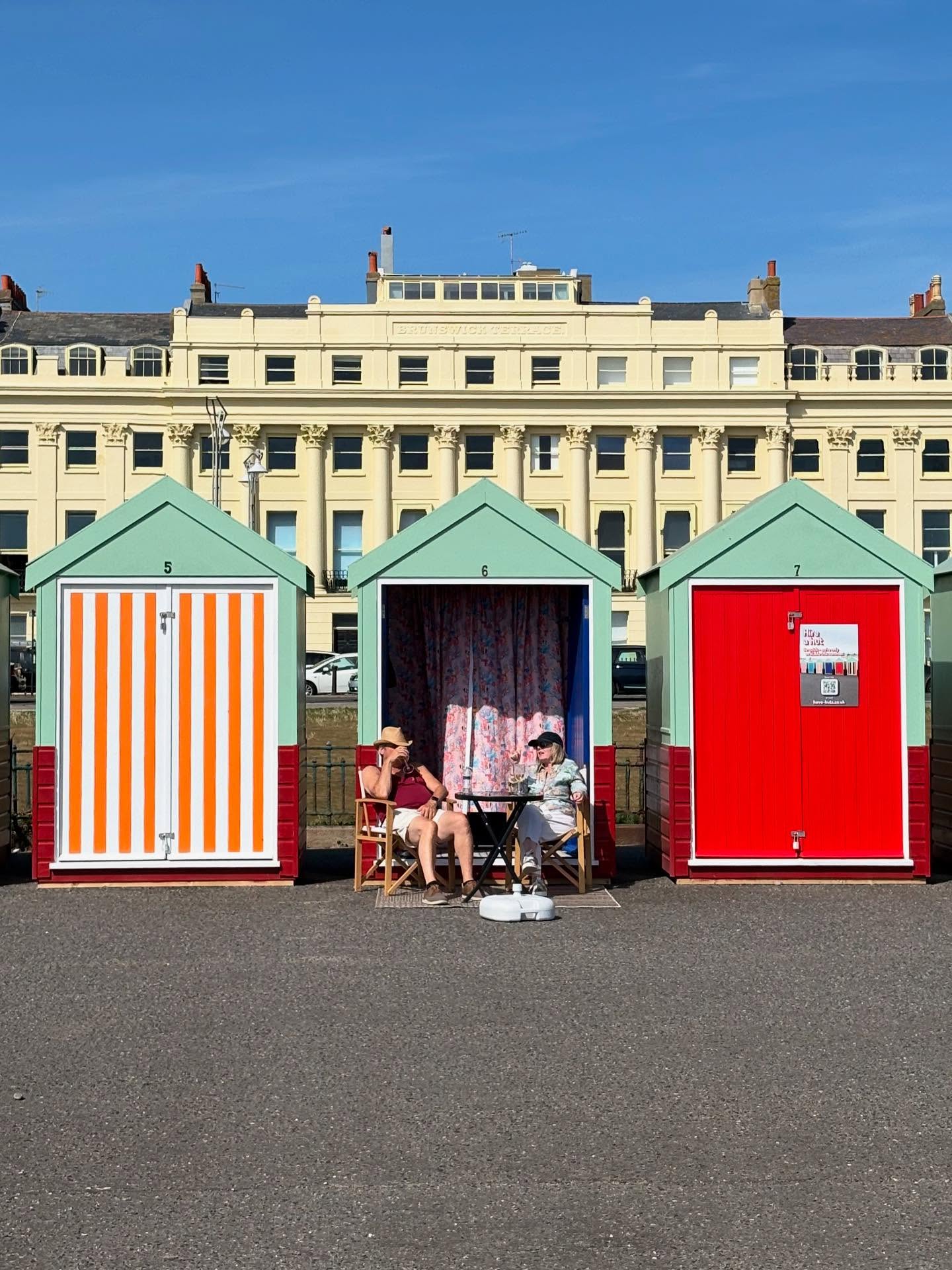
The bandstand and Hove seafront, west along the front, give you the elegant Regency backdrops and a calmer register.
How to shoot it, and the seasons
The seafront light is bright and bounces off the sea and shingle, so Sunny 16 works well and a touch of underexposure keeps the colour dense — and colour is the seaside tradition's language, so shoot it in colour. Work the gap between intention and reality: the fun being had grimly, the formal dress on a pebble beach, the seagull-and-chip negotiation.
Summer weekends and Brighton Pride (usually August, one of the UK's largest) give you crowds and colour at full volume. Winter is the connoisseur's season: empty promenades, hard low light off the sea, and the arcades glowing from mid-afternoon. In the lanes, weekends bring the buskers and the crowds; weekday mornings give you cleaner light and room to move. As with the Essex coast, the worse the weather, often the better the seaside picture.
Field Questions
Is Brighton good for street photography?
Excellent, because it offers two genres in one place: the British seaside tradition along the front and pier, and dense, characterful city streets in The Lanes and North Laine a few minutes inland. It is about an hour from London and shootable in a single day.
Where should I photograph in Brighton?
The Palace Pier and beach for seaside frames, the seafront and the burnt-out West Pier for atmospheric and melancholic pictures, and North Laine for busy, colourful inland streets. The Lanes offer tighter, quieter, more graphic frames.
What is the best time of year for Brighton street photography?
Summer weekends and Brighton Pride (usually August) for crowds and colour; winter for empty promenades, hard low light and glowing arcades from mid-afternoon. Both seasons are rewarding for different reasons, and bad weather often improves the seaside frames.
Street Manual cards turn locations like this into specific assignments — what to shoot, where to stand, and the settings to start from.