Fujifilm X-E5 Review: A Street Photographer’s Take
I've been shooting the Fujifilm X-E5 as my everyday street camera, so this isn't a spec-sheet review, it's what it's actually like to carry and use. The short version: it's the best all-round street camera I've owned, with a couple of real niggles I won't gloss over. If you're weighing it against other bodies, I cover the wider field in the best cameras for street photography guide.

Free 7-day course
Learn street photography, free
One short lesson a day for a week to get you out shooting, plus a pocket cheat sheet.
The short version
If you want the verdict without the scroll: buy it. The X-E5 puts the 40MP sensor and in-body stabilisation of the pricier bodies into a small, discreet, rangefinder-style camera that gets out of your way on the street. The images are superb and it's a genuine pleasure to use. The niggles are minor and I'll get to them. For street, it's the one I reach for.
Build and design
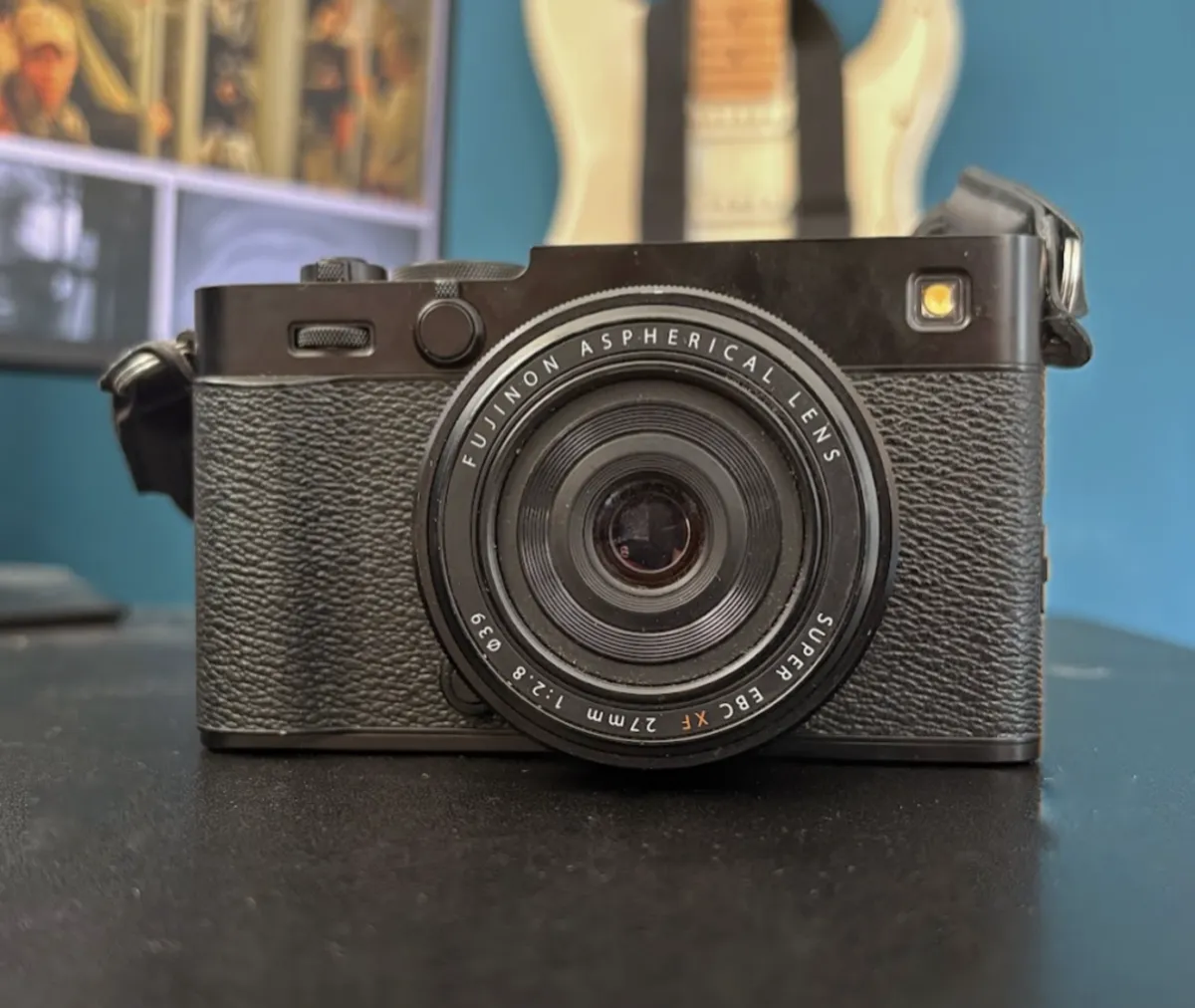
It looks great and it's well built. I'll be honest though: I still think my old X-T2 was built better. It had a density and a solidity this doesn't quite match, and as far as I know the X-T2 was the last of the X series actually made in Japan. That's less a knock on the X-E5 than a compliment to the X-T2. The rangefinder styling is lovely, the dials feel good under the thumb, and the size is the whole point: it disappears in the hand and doesn't announce itself, which is exactly what you want when you're working close.
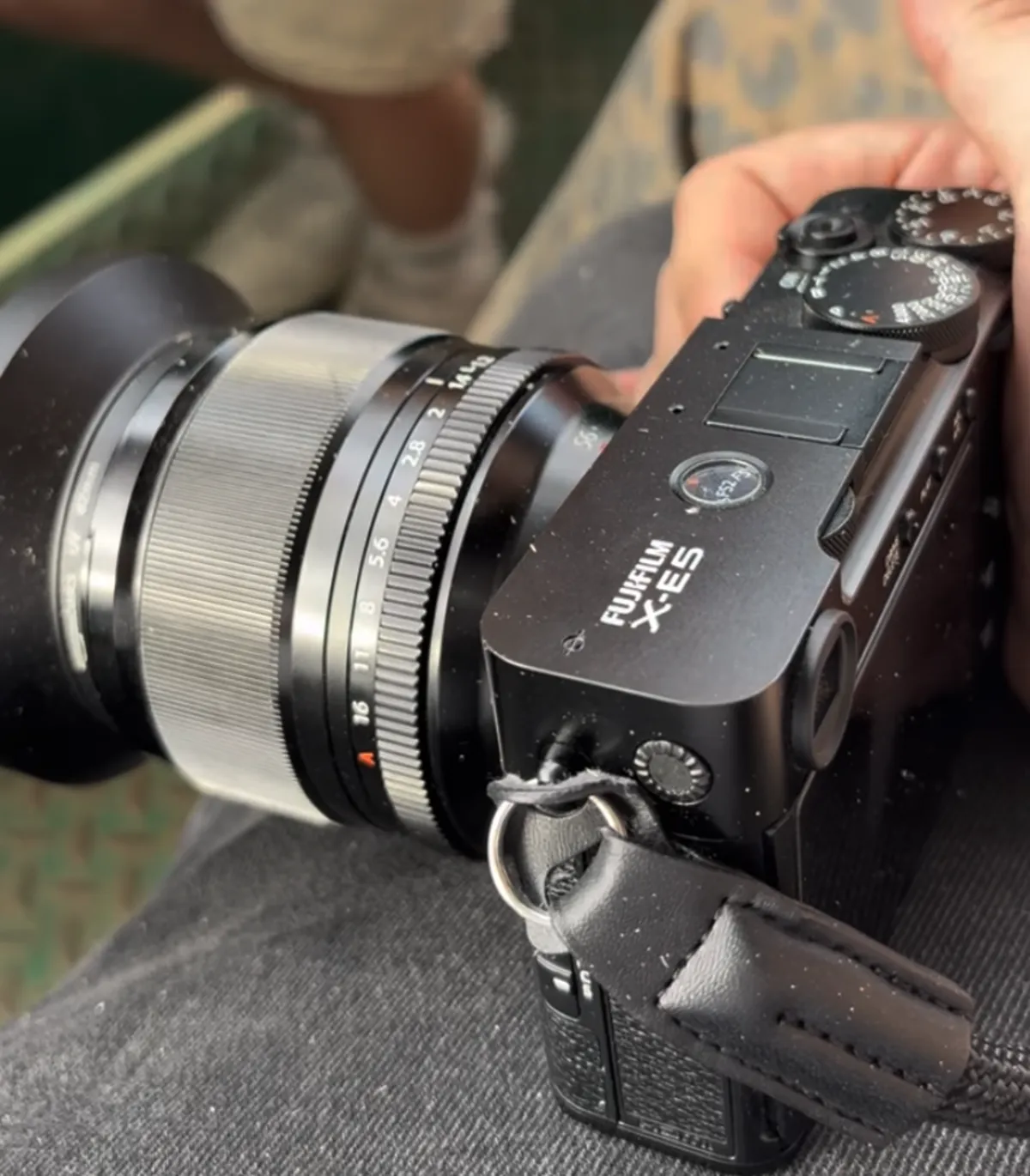
Image quality and the film simulation dial
The pictures are excellent. It's the same 40.2MP X-Trans sensor as the flagships, and the files have all the colour and character Fuji is known for. The new dedicated film simulation dial is a nice idea and I'm glad it's there, but in practice I only ever use the FS1, FS2 and FS3 slots, loaded with my own custom recipes. The stock simulations are fine, but the point for me is having my look dialled in and ready before anything happens. I'm writing those recipes up so you can load them onto your own Fuji, join the waitlist here. New to all this? The film simulations card is a good primer.
Focus, and why I skip the touchscreen
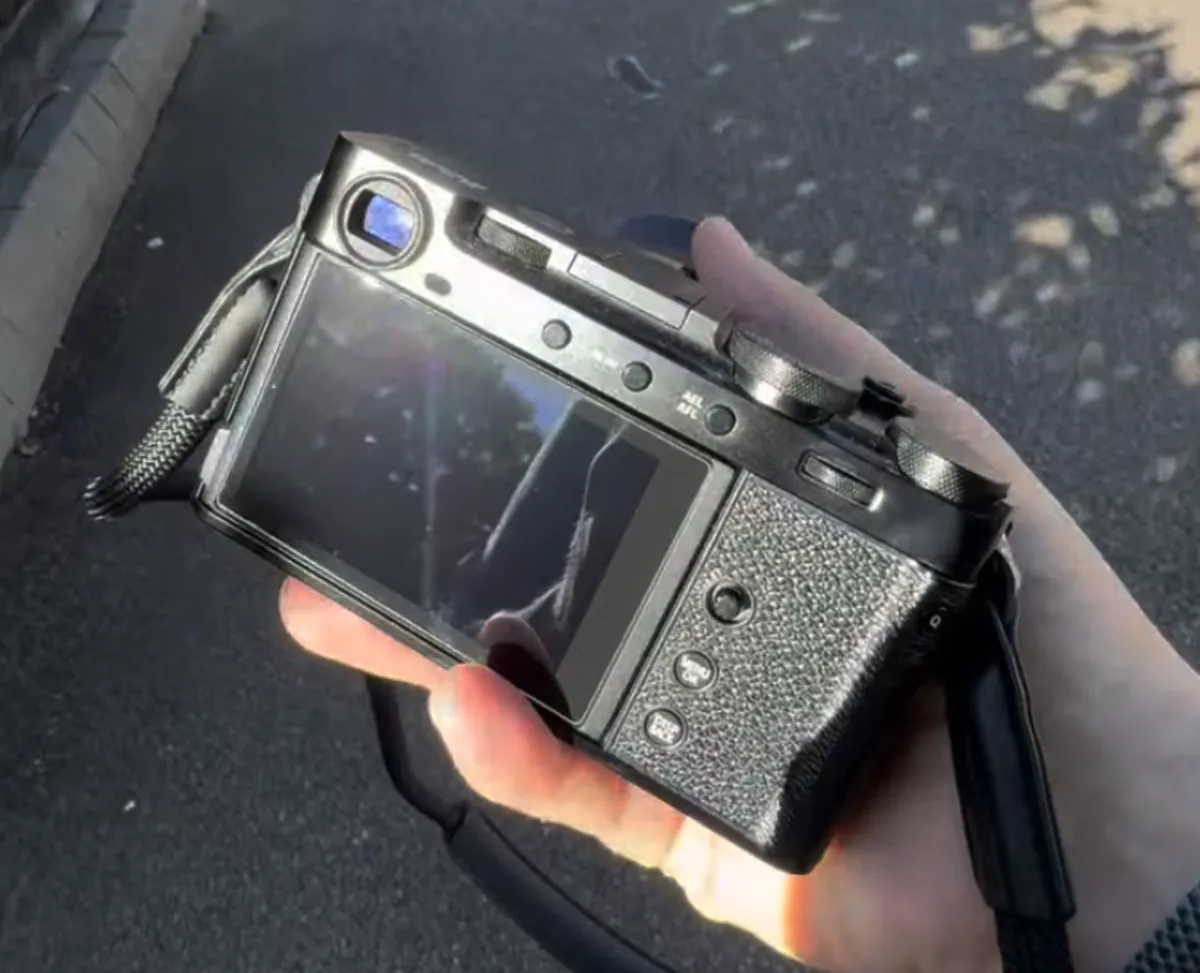
Hot take: I still don't think the touchscreen is worth it. I use the joystick to move my focus point and I'm quicker and more deliberate for it, and I'd rather not smear the screen with my nose while I'm at it. Your mileage may vary, but the joystick is the way for me.
One genuine niggle: the focus point sometimes seems to get stuck in the top-left corner and won't move until I fiddle with it. It's intermittent and I haven't pinned down the cause. If you've hit this on your X-E5 and worked out how to avoid it, let me know over on Instagram (@thestreetmanual) and I'll update this review with the fix.
The new Clarity setting, and a processing bottleneck
I've been adding the new Clarity setting to my recipes and enjoying what it does to the look. There's a catch: at anything other than 0, it slows the camera right down while it processes each frame. Oddly, I don't entirely mind. I like being slowed a touch, made to shoot with a bit more intent. But it's plainly a processing bottleneck rather than a feature, and if you shoot fast it'll frustrate you. My plan is to get a similar look another way and keep Clarity at 0, probably with a black mist filter on the lens, which softens the highlights in-camera without the processing hit. I'll report back once I've got one.
Stabilisation, size and handling
The in-body stabilisation is genuinely useful, up to around seven stops, which means confident handheld frames into low light and at slow shutter speeds, handy for the blur-and-drag stuff. The trade-off of a small body is balance: put a big lens on the front and it goes nose-heavy. With a small prime it's close to perfect, which is how I shoot it.
Should you buy it?
For street photography, yes. It's small, discreet, beautifully specced and a joy to use, and the niggles are liveable. If you want the same sensor in a fixed-lens body there's the X100VI, but you'll pay more, wait longer, and you can't change the lens. If you want a bigger, more traditional camera, the X-T5 is there. For me the X-E5 hits the sweet spot for the street. It's around £1,299 body only at the time of writing. I compare the alternatives in the cameras guide, and my recipes for it are on the way.
Samples
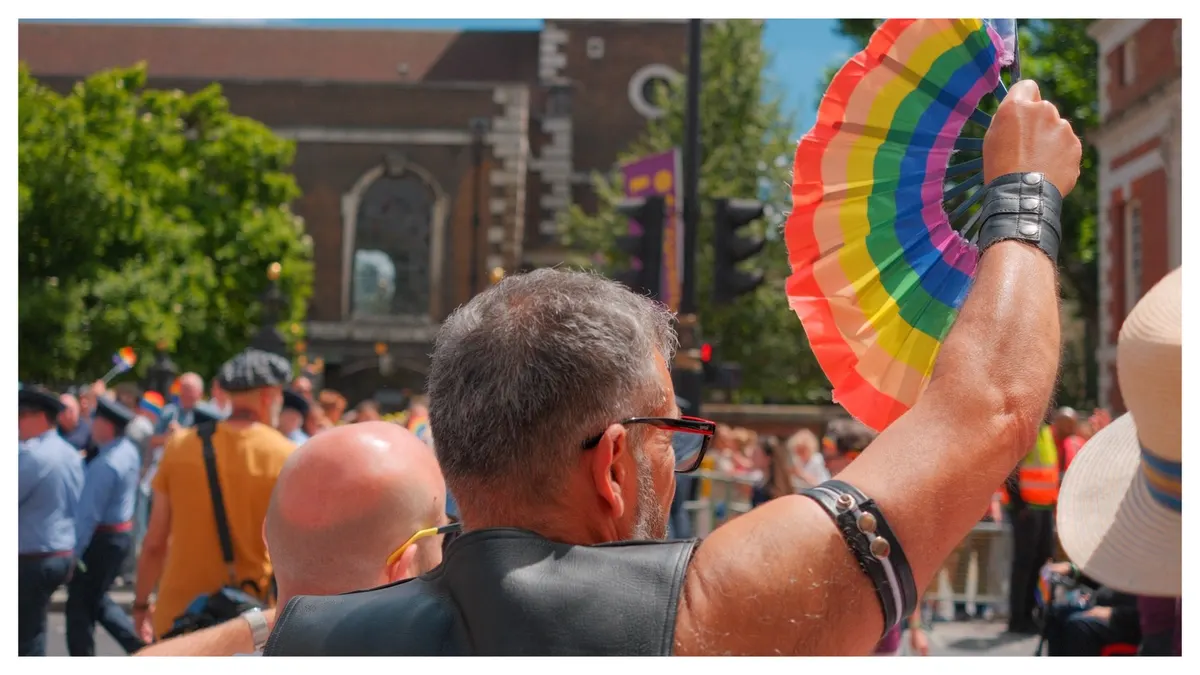
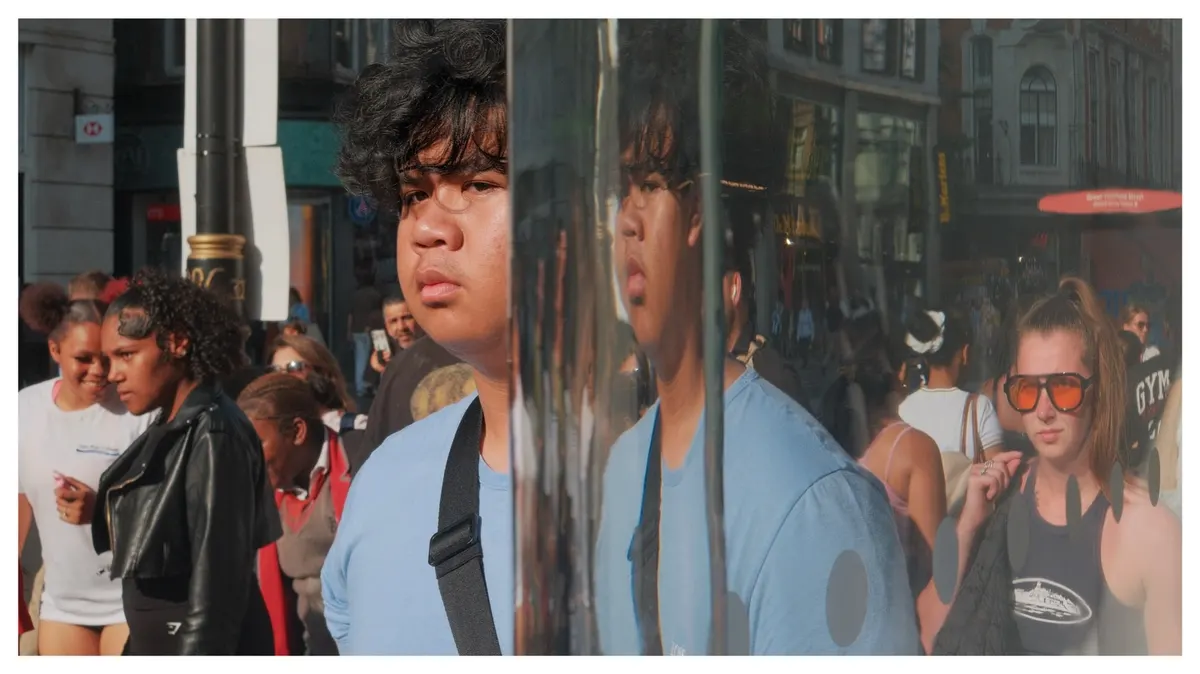
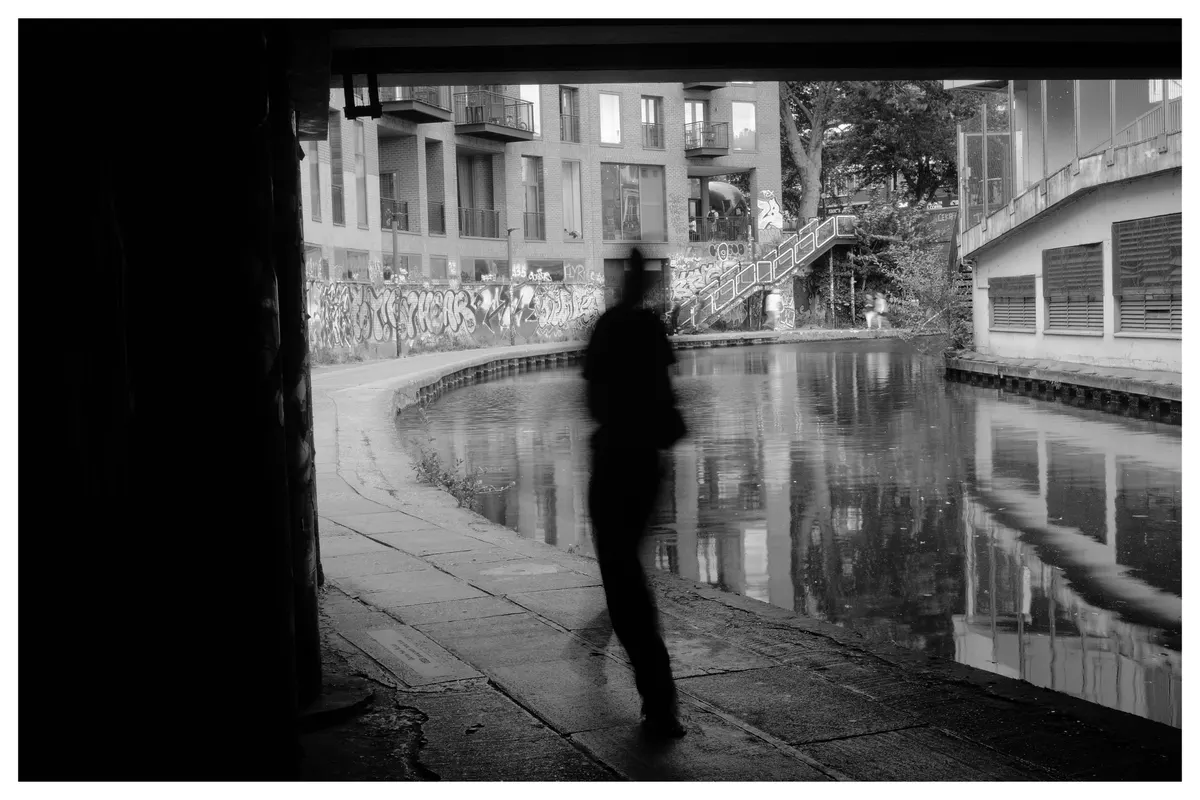
A few frames straight off the X-E5 on the street, so you can judge the files for yourself rather than take my word for it.
Field Questions
Is the Fujifilm X-E5 good for street photography?
Yes, it's one of the best. It's small and discreet, has a 40MP sensor and in-body stabilisation, and the rangefinder styling and dials make it quick to work with. For street it's the camera I reach for.
Does the Fujifilm X-E5 have in-body stabilisation?
Yes, five-axis IBIS worth up to around seven stops, which gives you confident handheld shooting into low light and at slow shutter speeds.
Fujifilm X-E5 vs X100VI, which should I buy?
They share the same 40MP sensor and stabilisation. The X-E5 lets you change lenses and is usually easier to actually buy; the X100VI is a fixed 35mm-equivalent lens, costs more, and is often on back-order. If you want flexibility, the X-E5. See the cameras guide for the full comparison.
Is the X-E5 touchscreen worth using?
My honest view is no. I use the joystick to place my focus point and find it faster and more deliberate. It's a personal preference, but I wouldn't choose the camera for the touchscreen.
Does the Clarity setting slow the X-E5 down?
Yes. At anything above 0, Clarity makes the camera pause while it processes each frame. If you shoot fast, keep it at 0. Some people, me included, quite like being slowed down, but it's a processing limitation rather than a feature. A black mist filter is one way to get a similar softness without the hit.