The Best Street Photography Books
The fastest way to improve your eye is not another tutorial, it is spending time with great photographs. Books, not feeds. A feed rewards what is instant; a book rewards what lasts, and studying one closely teaches you more about light, timing and composition than a month of scrolling. This is a working photographer's list of the street photography books worth owning, from the essential classics to the ones that quietly make you better. (More on why this matters in our guide to where to start. Still choosing a body? See the cameras I would buy.)
Free 7-day course
Learn street photography, free
One short lesson a day for a week to get you out shooting, plus a pocket cheat sheet.
Start here — the essential classics
If you buy three books, buy these.
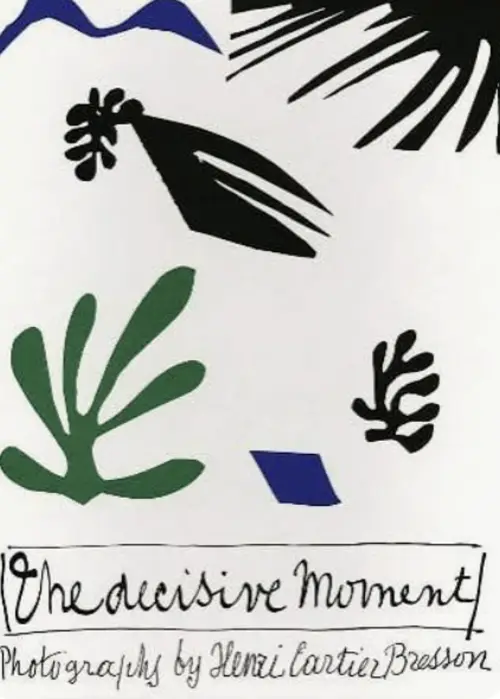
The Decisive Moment
Henri Cartier-Bresson · 1952
The founding document of the genre. Cartier-Bresson's idea that a scene's elements briefly align into their strongest arrangement, and the photographer's art is catching that instant, still shapes how everyone shoots. The images remain a masterclass in geometry and timing.
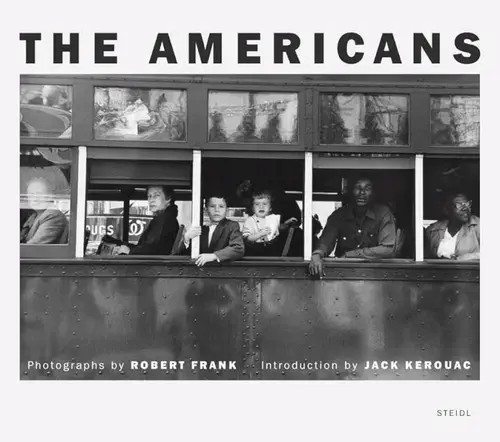
The Americans
Robert Frank · 1958
The book that broke the rules and changed what a photobook could be. Frank's raw, grainy, melancholic road trip across 1950s America traded elegance for truth and gave street photography its rebellious second act. Study the sequencing as much as the frames.
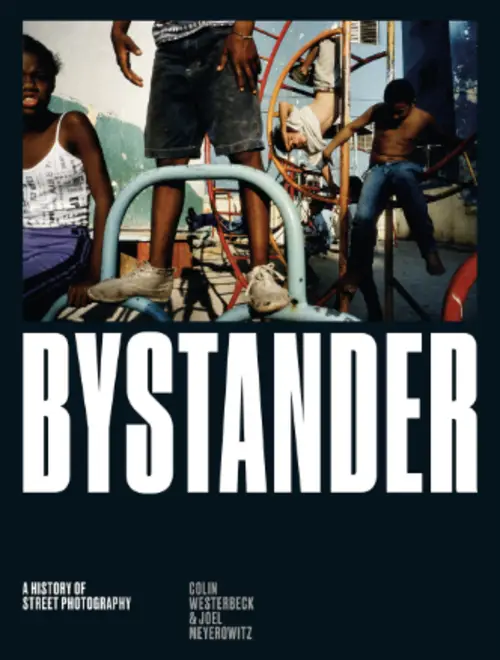
Bystander: A History of Street Photography
Colin Westerbeck & Joel Meyerowitz
Not a monograph but the definitive history of the whole genre, generously illustrated. The single best book for understanding where street photography came from and why it looks the way it does. If you read one book about the form, read this.
The British tradition
Street Manual is a UK-first project, and this is the vein it comes from: class, weather, ritual, and the gap between how we imagine ourselves and how we actually look.
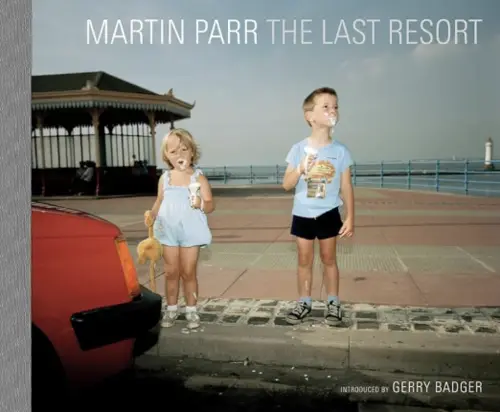
The Last Resort
Martin Parr · 1986
The book that made Parr's name and scandalised the photography establishment: saturated, unsparing colour images of a run-down New Brighton seaside resort. Cruel or affectionate depending on who you ask, and essential either way.
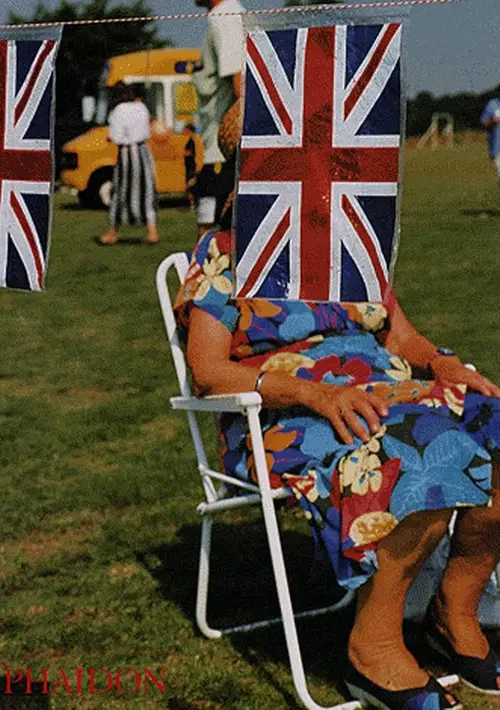
Think of England
Martin Parr · 2000
A comic, affectionately satirical, colour-saturated photo-essay on English identity: Ascot and the charity shop, cucumber sandwiches and bad footwear, cups of tea and herbaceous borders. Shot between 1995 and 1999, it is Parr's funniest and most quotable book on Englishness, and the closest thing to a mission statement for shooting this country.
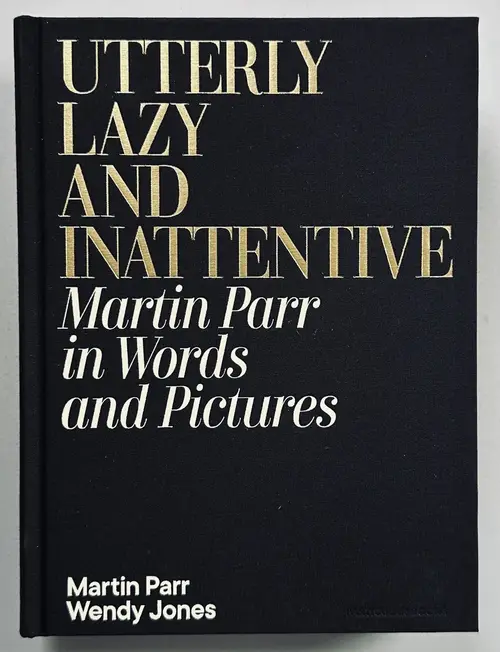
Utterly Lazy and Inattentive: Martin Parr in Words and Pictures
Martin Parr & Wendy Jones · 2025
Parr's first autobiography, its title taken from a school report written when he was fourteen. Over 150 photographs, from his earliest snapshots to recent work, each paired with his own recollections (his voice captured by writer Wendy Jones). The best way to understand how one of the most influential photographers alive actually thinks.
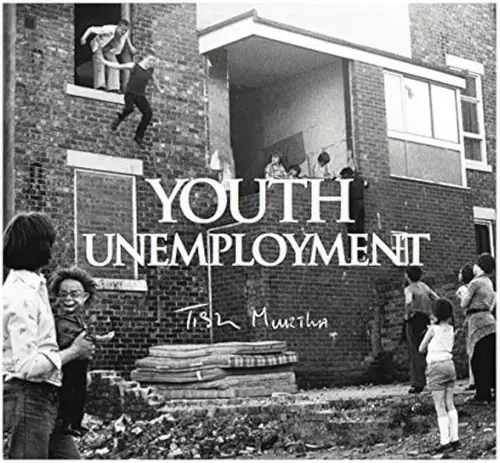
Youth Unemployment
Tish Murtha
Murtha photographed her own community in Newcastle's West End through the early 1980s, documenting what mass unemployment did to a generation of young people. Fierce, tender and political work from one of Britain's most important and, until recently, most overlooked photographers.
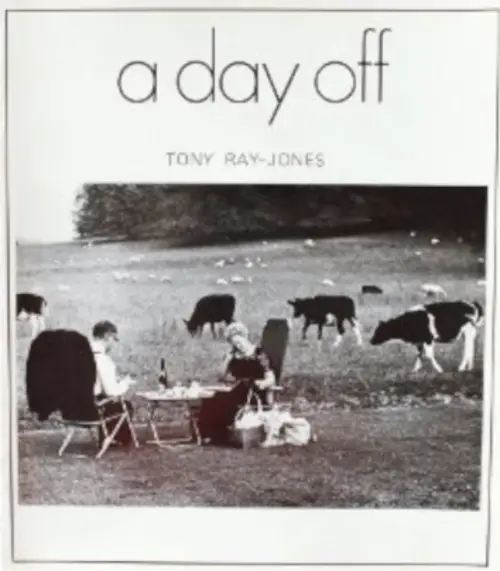
A Day Off: An English Journal
Tony Ray-Jones
The quieter, gentler ancestor of Parr's work. Ray-Jones photographed the English at leisure in the 1960s with affection and absurdity in equal measure, and every British street photographer since owes him a debt.
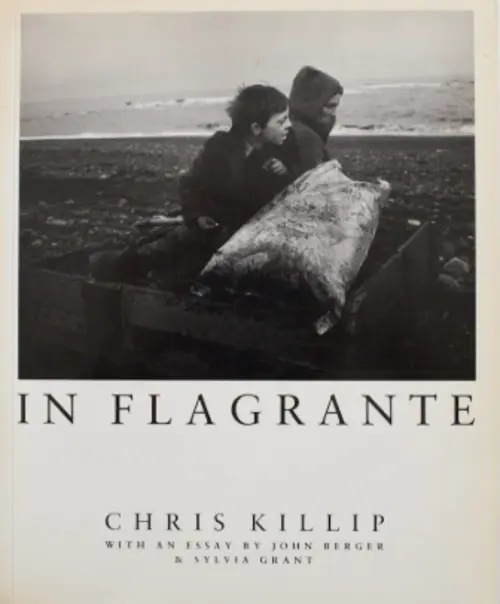
In Flagrante
Chris Killip
A stark, powerful record of working-class life in the north-east of England in the early 1980s. Not conventional street photography, but a masterclass in photographing a place and a people with honesty and weight.
The colourists
For a long time serious photography meant black and white. These books won colour its place, and they are where street photography's palette comes from.
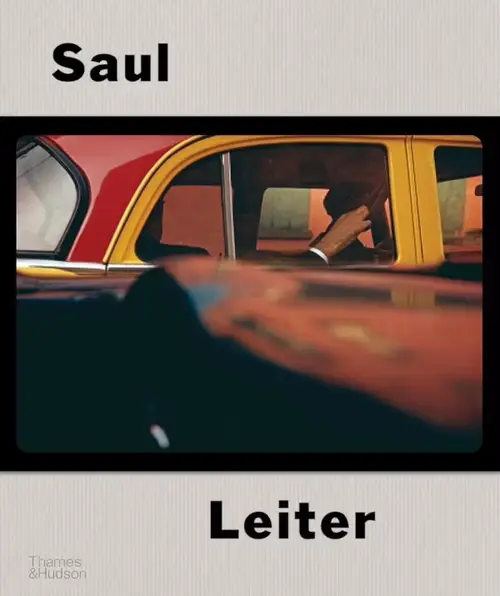
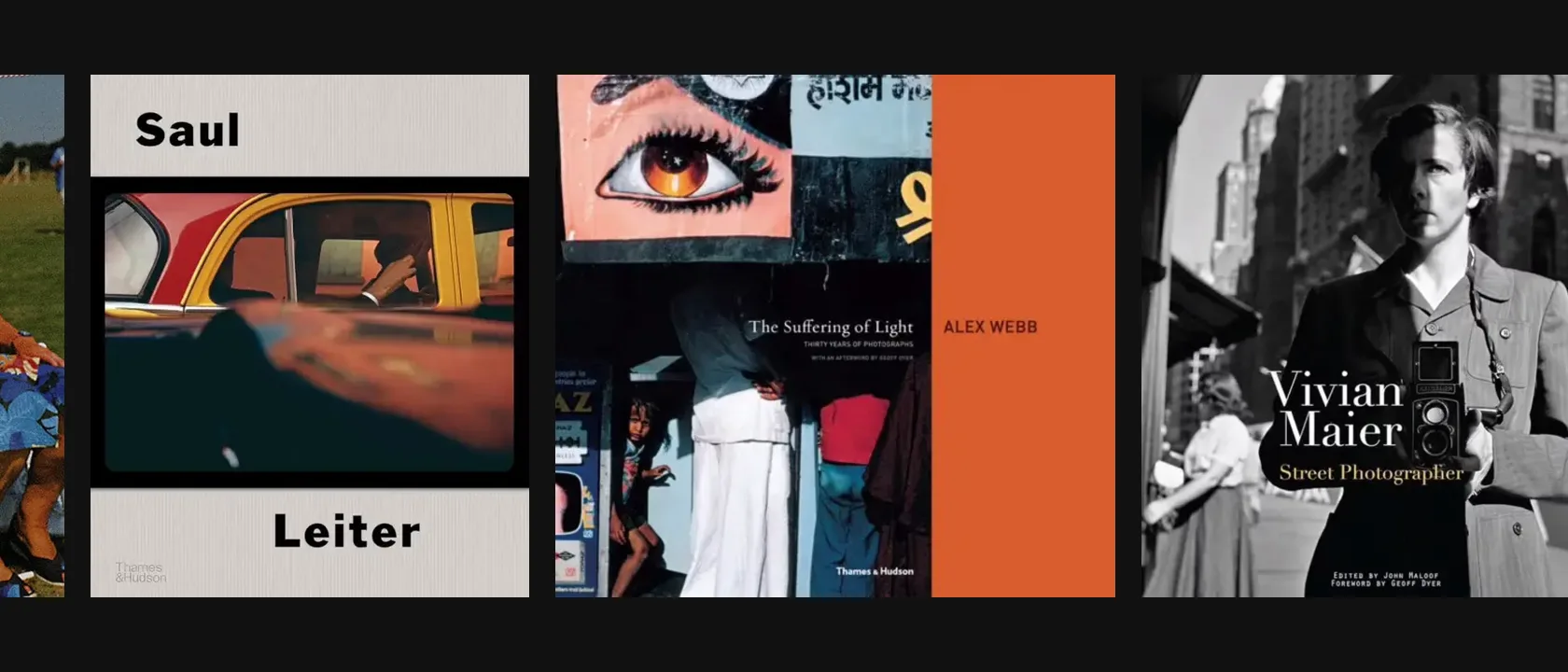
Saul Leiter
Saul Leiter
Painterly, tender, abstract New York street scenes shot through rain, steam and glass from the 1950s on, decades before colour was respectable. Start with Early Color; anything with his name on it rewards slow looking. Endlessly influential on the mood-led, atmospheric end of street photography.
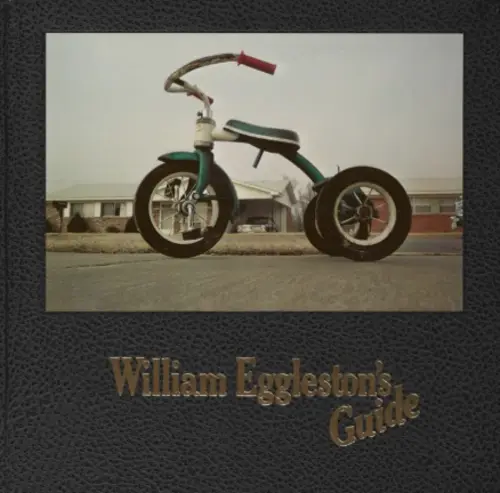
William Eggleston's Guide
William Eggleston · 1976
The book, and the MoMA show it accompanied, that made colour art. Eggleston found strangeness and beauty in the ordinary American everyday, a tricycle, a ceiling, a freezer, and gave every colour photographer since permission to shoot the mundane.
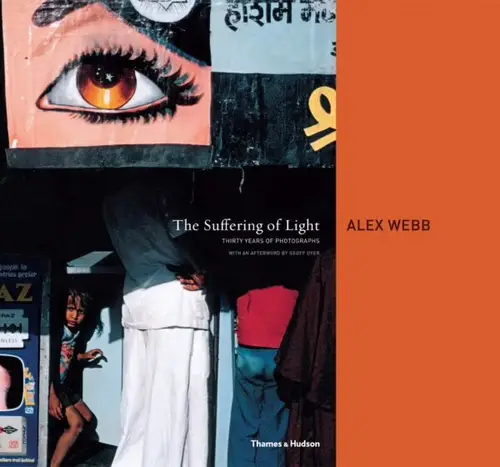
The Suffering of Light
Alex Webb
Dense, layered, saturated frames from the world's hot streets. Webb builds compositions of extraordinary complexity, several things happening at once across the frame in blazing colour, and shows how far layering can be pushed.
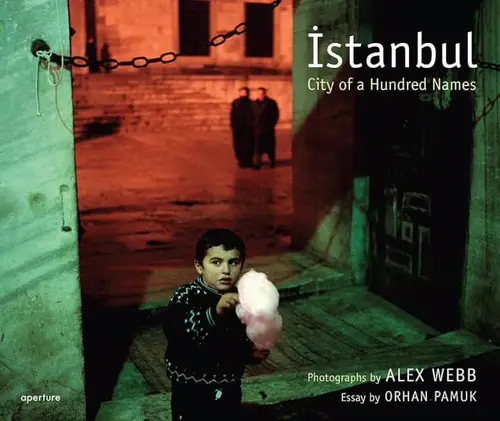
Istanbul: City of a Hundred Names
Alex Webb & Rebecca Norris Webb
Webb's colour and layering applied to a single city over years, paired with Rebecca Norris Webb's quieter frames and an essay by Orhan Pamuk. A model for how to build a real body of work around one place rather than chasing single frames.
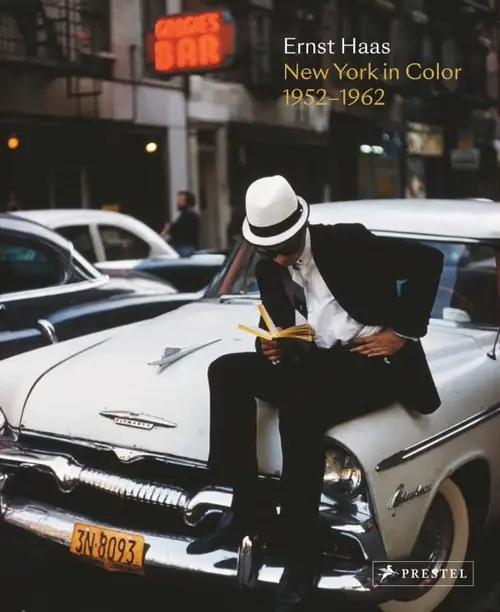
Ernst Haas: New York in Color 1952-1962
Ernst Haas
Some of the earliest great colour street photography, made when the medium was still dismissed as vulgar. Haas turned post-war New York into something lyrical and painterly, and helped prove colour could carry serious work.
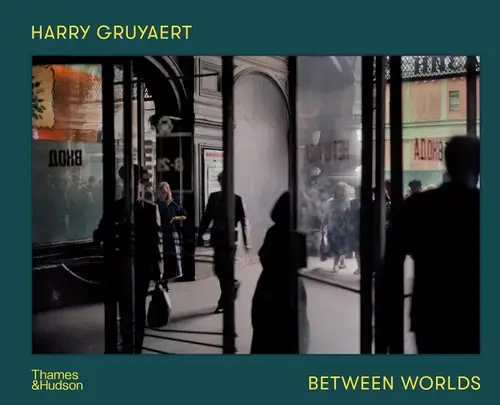
Between Worlds
Harry Gruyaert
The Magnum photographer who saw in colour before most of Europe did. Gruyaert's frames are all mood, light and muted palette, closer to cinema than reportage, and a masterclass in atmosphere over subject.
The masters worth studying
Spend time with any of these and your own work will shift.
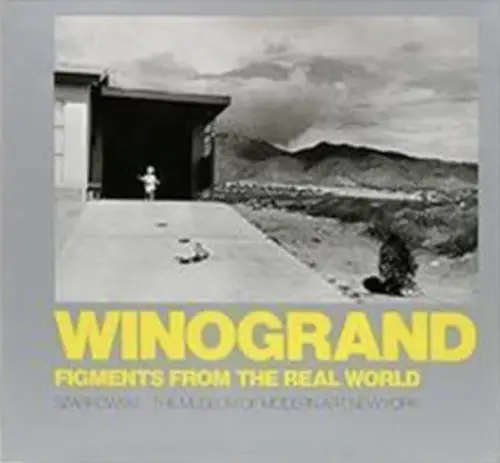
Figments from the Real World
Garry Winogrand
The most relentless street photographer who ever lived. His contact sheets are a lesson in themselves: shoot a lot, work the scene, and quality is a percentage of volume. Start here or with The Animals.
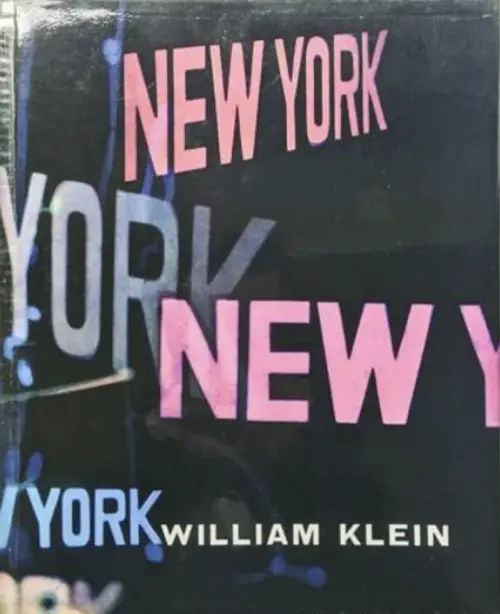
Life is Good & Good for You in New York
William Klein
Blurred, grainy, confrontational, in-your-face 1950s New York. The wild, kinetic opposite of Cartier-Bresson's precision, and just as important.
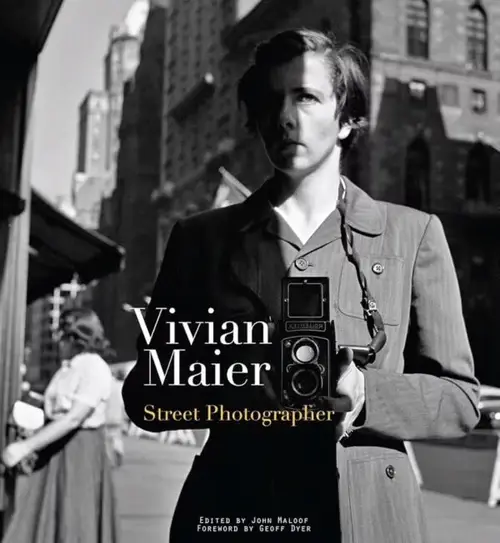
Vivian Maier: Street Photographer
Vivian Maier
The Chicago nanny whose enormous, brilliant body of work was only discovered after her death. A reminder that the eye is what matters, not the audience.
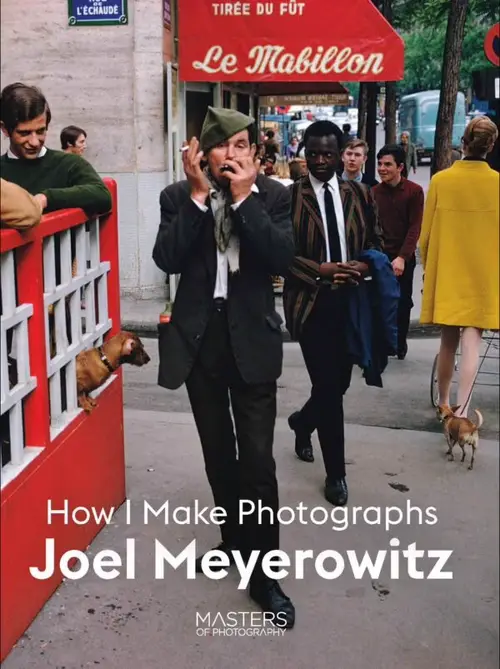
How I Make Photographs
Joel Meyerowitz
A short, generous book in which one of the living masters explains, plainly, how he works and thinks. About as close as you will get to walking the street beside him, and ideal early reading.

Roy DeCarava
Roy DeCarava
DeCarava photographed Harlem in luminous, deep-shadowed black and white, insisting on beauty and dignity where others saw only hardship. A quiet, profound counterweight to the busier, flashier end of the canon.
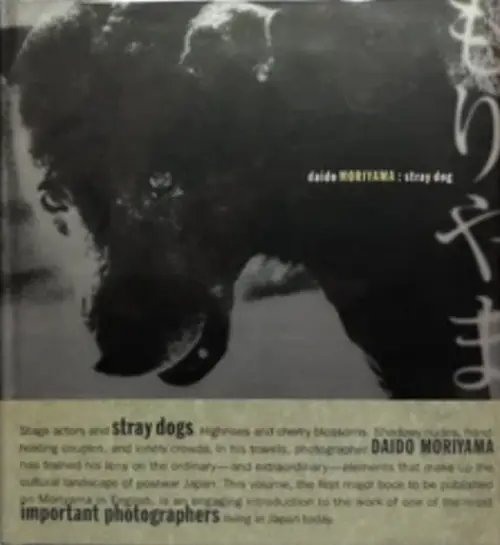
Stray Dog / Farewell Photography
Daido Moriyama
High-contrast, grainy, restless black-and-white Tokyo. The touchstone for the raw, are-bure-boke (grainy, blurry, out of focus) school, and proof that technical imperfection can be the whole point.
The contemporary shelf
Newer books from photographers working now, several of them British, and a good way to see where the genre is heading.
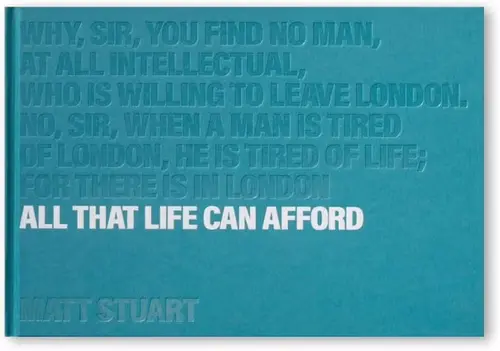
All That Life Can Afford
Matt Stuart
Years of patient, witty London street photography from the Magnum nominee, titled after Dr Johnson's line about the city. Precise timing and dry British humour, and a masterclass in working one place hard rather than chasing new ones.
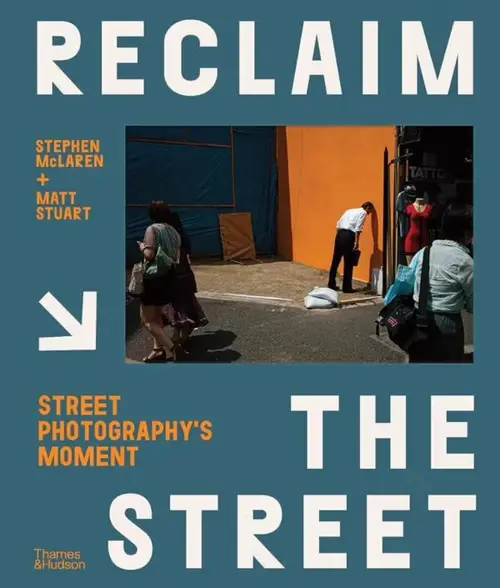
Reclaim the Street: Street Photography's Moment
Stephen McLaren & Matt Stuart
A large, celebratory survey of contemporary street photography from around the world, making the case for the form at a moment when it is more popular, and more contested, than ever. A great way to find new photographers to follow.
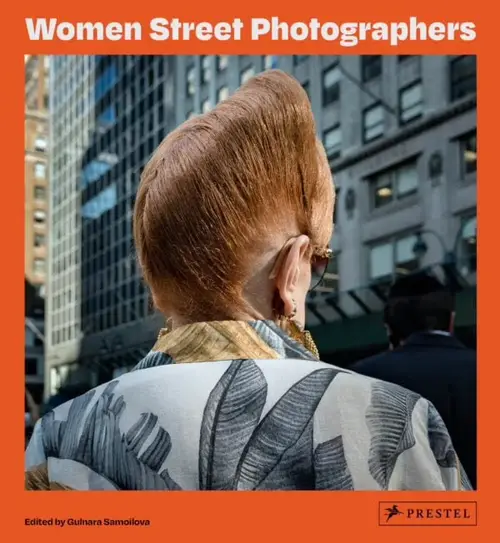
Women Street Photographers
Gulnara Samoilova
A landmark anthology drawn from the platform of the same name, showcasing 100 women working in the genre worldwide. A corrective to a canon that has long over-indexed on men, and full of work you will not have seen.
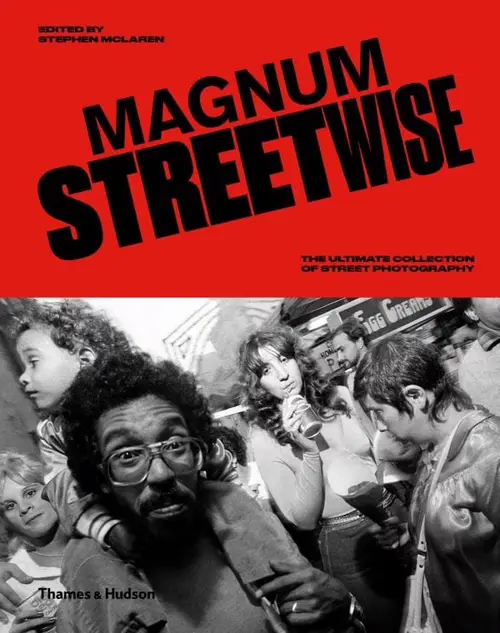
Magnum Streetwise
Stephen McLaren (ed.)
The definitive collection of street photography from Magnum, gathering the agency's best-known and lesser-seen work in one volume. Both a history and an inspiration, and endlessly re-readable.
Books that teach the craft
Less monograph, more manual. These help you make pictures, not just admire them.
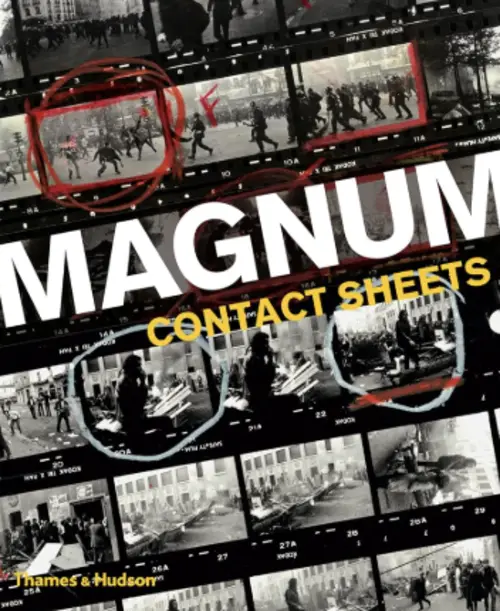
Magnum Contact Sheets
Kristen Lubben (ed.)
The single most instructive photography book you can own. It shows the full rolls around famous frames, so you see the misses, the working, and the one that landed. Nothing demystifies the craft faster.
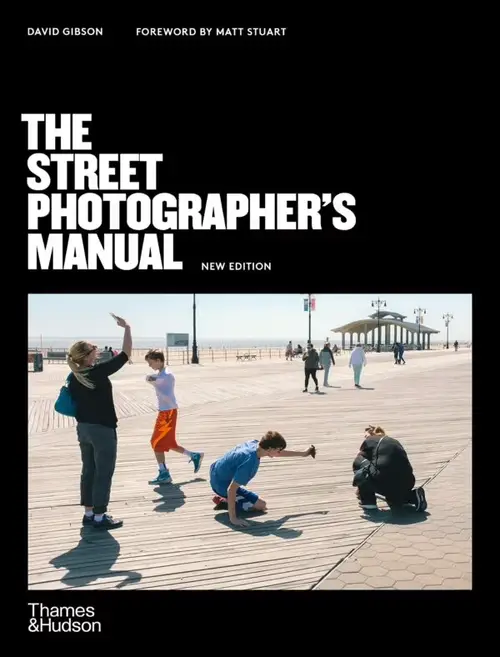
The Street Photographer's Manual
David Gibson
A genuinely practical how-to: approaches, projects and techniques, with work from many photographers. A good companion to a prompt deck, funnily enough, since both exist to get you shooting with intent.
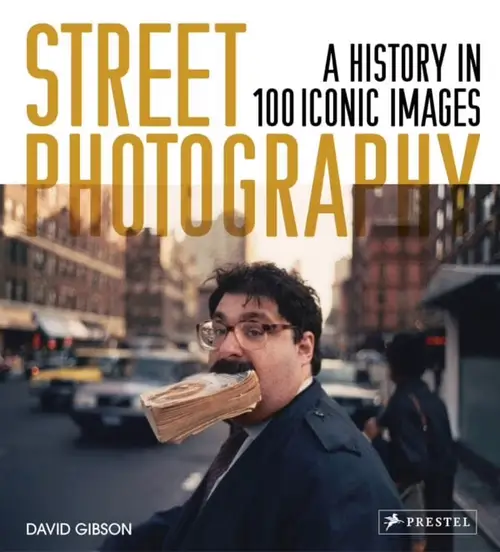
Street Photography: A History in 100 Iconic Images
David Gibson
One hundred landmark street photographs, each unpacked to explain why it works. A fast, enjoyable education in the genre's greatest hits and the decisions behind them.
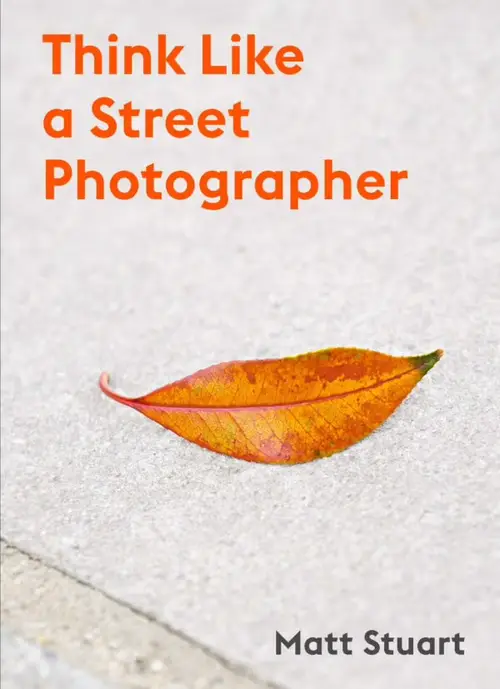
Think Like a Street Photographer
Matt Stuart
Stuart on the mindset rather than the settings: how to see, where to stand, how to wait, and how to stay curious. Short, warm and quietly practical, and it pairs naturally with a deck of prompts.
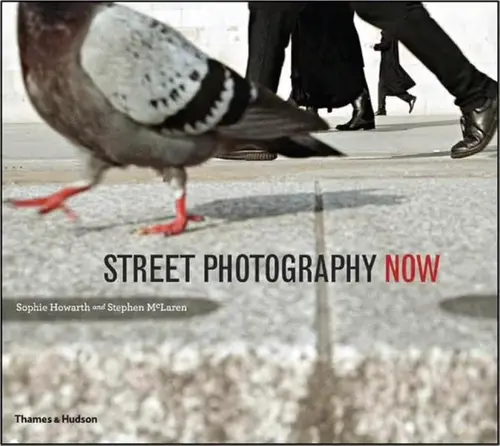
Street Photography Now
Sophie Howarth & Stephen McLaren
A broad, well-chosen survey of contemporary street photographers from around the world. The best way to see what the genre looks like today and find photographers to follow.
Field Questions
What is the best street photography book for beginners?
Start with Bystander: A History of Street Photography for the overview, and Magnum Contact Sheets to see how the pictures are actually made. Then pick a monograph whose style you love — Saul Leiter's Early Color and Martin Parr's Think of England are two very different, very accessible places to begin.
Why buy photo books instead of just looking online?
Feeds reward what is instant and easy to consume, which is not the same as what is good or lasting. A book is edited and sequenced with intent, and spending real time with one teaches your eye far more than scrolling. Notice which images stay with you, and why.
What is the best Martin Parr book?
The Last Resort (1986) is the breakout and the most influential, Think of England (2000) is the funniest and most quotable on English identity, and Utterly Lazy and Inattentive (2025) is his autobiography and the best way to understand how he thinks. Any of the three is a great starting point.
How should I study a street photography book?
Slowly, and more than once. Look at which frames stay in your head and ask why — is it the light, the moment, the humour, the composition? Then go out and look for those things yourself. Recreating what you admire is one of the fastest ways to learn (try the Recreate a Classic card).